
 Vermox Vs. Albendazole: Comparing Antiparasitic Treatments
Quick Pharmacology Snapshot: Vermox Versus Albendazole
A quick glance shows both agents disrupt parasite tubulin, starving worms of glucose and collapsing their cytoskeletons. Vermox (mebendazole) is poorly absorbed, acting mainly in the gut, while albendazole has broader systemic distribution after metabolic activation.
Mechanistic nuances influence use: mebendazole binds microtubules directly, whereas albendazole converts to albendazole sulfoxide, a circulating metabolite that targets beta-tubulin with higher tissue penetration. These differences shape spectrum, dosing, and contraindications in pregnancy and liver disease.
Clinicians weigh local action versus systemic reach when selecting therapy. Summary table: Consider host factors, parasite location, and drug interactions when making decisions.
| Drug | Primary action |
|---|---|
| Vermox | Microtubule inhibitor (gut) |
| Albendazole | Prodrug → sulfoxide (systemic) |
Effectiveness Across Common Intestinal Parasites Compared

Clinicians often weigh vermox against albendazole when facing a clinic full of itchy children and panicked parents. Both drugs paralyze parasites, but their strengths differ by species, dosing, and tissue penetration and public health impact.
For intestinal nematodes such as pinworm, roundworm and whipworm both agents are effective. Vermox produces high short term cure rates while albendazole achieves broader systemic exposure, useful for certain invasive or difficult infections in practice.
Tapeworm and tissue infections favor albendazole because of better absorption; it is the drug of choice for cysticercosis and hydatid disease when paired with steroids. Vermox remains preferred for many simple intestinal helminths in children.
Protozoal infections such as giardiasis usually require nitroimidazoles rather than benzimidazoles. Choice between agents depends on parasite, disease severity, host factors and program goals, so test when possible and follow national treatment guidelines for quality.
Dosage, Administration Differences and Treatment Duration
When choosing between treatments, consider how each drug is given and for how long. vermox is minimally absorbed and usually acts within the gut; it is often used as a single-dose treatment for pinworms or as a brief multi‑day course for common soil‑transmitted helminths. Albendazole tends to require different regimens: a single 400 mg dose is common for mass campaigns, while tissue-invasive infections demand longer, sometimes weekly or multi-week courses.
Administration practicalities matter: albendazole’s absorption improves with a fatty meal, so clinicians often advise taking it with food to boost systemic levels when needed. vermox’s local gut action makes fasting less critical, and chewable formulations simplify dosing for children. Always tailor duration to the parasite and patient factors—pregnancy, age and co‑morbidities can change recommendations—and follow local guidelines to balance efficacy and safety. Monitor response and repeat therapy when clinically indicated.
Side Effects, Safety Profiles and Warnings
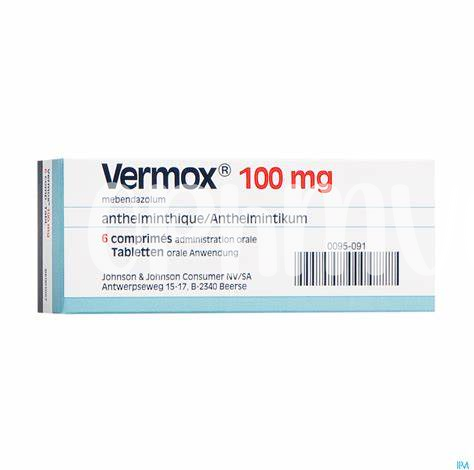
Patients often report mild gastrointestinal upset, headache, or dizziness after taking vermox; these effects are usually transient and resolve without intervention. More rarely, allergic reactions or elevated liver enzymes occur, so baseline liver tests are prudent in prolonged therapy.
Albendazole and mebendazole differ: albendazole is typically avoided in early pregnancy due to teratogenic risk observed in animal studies, while vermox is often prescribed carefully in children for pinworm with attention to age-appropriate dosing. Drug interactions are uncommon but co-administration with cimetidine or hepatic enzyme modulators can alter drug levels.
Clinicians should counsel patients to report jaundice, persistent nausea, or neurologic symptoms and consider periodic blood counts and liver function monitoring during extended courses. In brief, balancing efficacy with individualized risk assessment helps ensure safe, effective antiparasitic therapy. Follow-up visits optimize outcomes and detect uncommon adverse events early and promptly thereafter.
Resistance Concerns, Public Health and Cost
Clinicians watching treatment outcomes notice shifts in efficacy over time, prompting vigilance. Historical campaigns reduced worm burdens, but hotspots persist. Simple, targeted stewardship—rotating agents and accurate diagnosis—helps sustain gains and prolong drugs like vermox effectiveness.
Economically, mass drug administration balances low per-dose prices against program costs. Savings from fewer complications are clear, yet funding gaps and logistical expenses can limit reach. Transparent budgets and local engagement optimize impact and sustainability.
Surveillance systems detect emerging failures early, guiding policy shifts and preserving class effectiveness. Investing in rapid diagnostics and supply-chain checks reduces counterfeit risks. Equitable access ensures communities benefit and diminishes selective pressures that drive tolerance.
Clinicians should weigh local prevalence, drug availability, and program budgets when selecting agents. Collaboration with public health programs enables bulk procurement and monitoring. Small investments in training and data systems yield returns in sustainable control.
| Factor | Priority Action |
|---|---|
| Surveillance | Rapid diagnostics and reporting |
| Cost | Bulk procurement and generics |
Choosing Wisely: Clinical Scenarios and Practical Tips
When deciding between Vermox and albendazole, picture the parasite and its habitat: Vermox (mebendazole) excels for intestinal worms like pinworms and many soil-transmitted helminths, offering short, often single-dose courses. Albendazole is favored when tissue invasion occurs (e.g., neurocysticercosis, echinococcosis) or for broader systemic coverage. Consider pregnancy avoidance, pediatric dosing and local resistance patterns when planning therapy.
Practically, confirm diagnosis with stool or imaging as appropriate, treat household contacts for enterobiasis, and repeat therapy only when indicated. For prolonged albendazole courses monitor liver tests and blood counts; take albendazole with a fatty meal to boost absorption. When in doubt consult local guidelines and collaborate with infectious disease or tropical medicine colleagues, and emphasize hygiene and sanitation measures. CDC pinworm guidance FDA Vermox label