
 Appropriate Ventolin Dosage: Tips for Safe Use
Understand Your Ventolin Prescription Details
Navigating the complexities of your Ventolin prescription is crucial for effective asthma management. It's essential to thoroughly review your doctor's instructions, which detail the recommended dosage and frequency specific to your condition. This knowledge allows you to tailor your medication plan effectively, optimizing relief and minimizing risks. Ensure understanding of terms like "puffs" or "units," as these are fundamental to precise administration.
In addition to standard prescriptions, Ventolin comes in various formulations, such as inhalers and nebulizers. Each may require different handling and dosage instructions, making it vital to identify which is prescribed for you.
| Prescription Aspect | Details |
|---|---|
| Dosage | Follow doctor's specified puffs/units per use. |
| Frequency | Adhere to advised usage schedule. |
| Formulation | Identify if inhaler or nebulizer is prescribed. |
Appropriate understanding and execution of these prescription details are imperative to harness the full benefits of Ventolin.
Recognize the Different Ventolin Forms Available
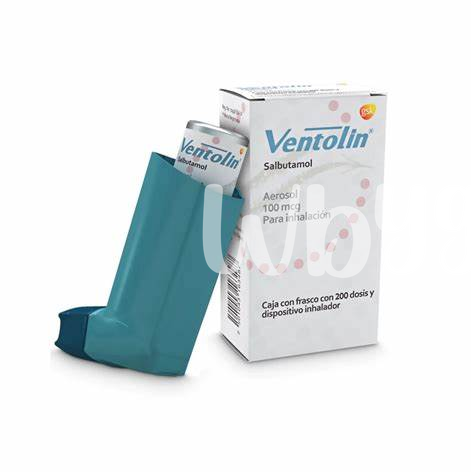
Ventolin comes in various forms, each designed to meet different patient needs and preferences. The most common form is the metered-dose inhaler (MDI), which delivers a specific amount of medication with each puff, allowing for quick relief during an asthma attack. For those who struggle with traditional inhalers, Ventolin is also available in a breath-actuated inhaler. This type activates when you inhale, making it easier for patients who have difficulty coordinating breath with manual inhaler use.
In addition to inhalers, Ventolin can be administered via a nebulizer. This device turns liquid medication into a fine mist, offering a thorough and effective delivery method for individuals who require a more intensive approach. Learning about these diverse options helps you collaborate with your healthcare provider to choose the best form suited to your lifestyle and medical needs, ensuring optimal asthma management and comfort.
Master the Technique for Inhaler Use
Using a Ventolin inhaler effectively requires more than just a simple push of a button. Begin by shaking the inhaler well to ensure the medicine is properly mixed. As you position the inhaler, exhale fully to empty your lungs, then create a tight seal around the mouthpiece. It's important to press down on the inhaler as you start to slowly inhale, filling your lungs with medication. This coordination is crucial for maximizing the benefits of Ventolin and ensuring optimal control of your symptoms.
Monitor and Record Your Dosage Schedules

Tracking your Ventolin dosage is crucial for effectively managing your respiratory condition. Start by establishing a routine that aligns with your doctor’s recommendations. This might include using a dedicated journal or a digital app designed to keep tabs on your inhaler use. Recording each dose not only ensures compliance but also allows you to identify any emerging patterns or triggers that might affect your breathing.
An accurate log can also serve as a valuable tool during medical appointments. Doctors rely on detailed information to adjust prescriptions appropriately. By having a clear record of your Ventolin use, they can make more informed decisions about your treatment plan. Additionally, keeping track of your usage can alert you to the possibility of overuse, a potential indication that your condition requires reassessment.
Self-monitoring empowers you to recognize when you're relying on your inhaler too frequently, which may signal a need for a review of your overall asthma management strategy. As you consistently track your regimen, you'll become more attuned to how well your treatment is working, leading to heightened awareness and better control over your health.
Be Aware of Potential Side Effects
Experiencing side effects can be daunting, especially when managing respiratory conditions. While Ventolin is a trusted rescue inhaler that provides prompt relief, it's vital to understand its potential side effects. Common reactions may include tremors, headaches, or a rapid heartbeat. Although these effects are typically mild, staying informed helps you manage them effectively.
Moreover, Ventolin's frequent use could lead to diminishing effectiveness, indicating a need for medical review. Always ensure you're following your healthcare provider's recommendations to minimize risks.
Here's a quick reference to some potential side effects:
| Side Effect | Occurrence |
|---|---|
| Tremors | Common |
| Headache | Common |
| Rapid heartbeat | Occasional |
Recognizing these signs and their frequency can empower you to take proactive steps in your healthcare journey.
Know When to Seek Medical Advice
If symptoms worsen despite using Ventolin or if there's an increased need to use your inhaler, it's a signal to consult your healthcare provider. Persistent coughing, wheezing, or shortness of breath may suggest that your asthma is not well managed. Moreover, experiencing side effects like palpitations, tremors, or dizziness can be a reason for concern and warrants professional evaluation. Prompt communication with medical experts ensures your treatment remains effective and safe, ultimately supporting better health outcomes for asthma patients.
NHS: Salbutamol Inhaler Asthma UK: Salbutamol