
 Stromectol and Its Role in the Fight Against Tropical Diseases
Understanding Stromectol: an Introduction to Ivermectin
Stromectol, more commonly known as Ivermectin, is a groundbreaking pharmaceutical with an intriguing tale. Initially introduced in the late 20th century, this versatile medication has carved its place in the fight against tropical diseases. Extracted from a unique bacterium found in Japanese soil, Ivermectin's journey began within the laboratories of Merck & Co., where it was developed as a treatment for parasitic infections.
Its innovative mechanism of action primarily targets neurotransmitters in parasites, effectively paralyzing and killing them, making it exceptionally potent against a range of parasites. The drug's safety profile and effectiveness have contributed to it being labeled a "wonder drug" in medical circles. Its remarkable success stems not only from its curative properties but also from its affordability and ease of administration.
Despite its accolades, Ivermectin is still evolving in the realm of tropical medicine. With continuous research uncovering new applications, it remains at the forefront of innovative treatment strategies. However, the landscape is not without challenges; resistance and limited accessibility in resource-poor regions persist as significant hurdles. Nonetheless, the potential for Ivermectin to revolutionize the treatment of tropical diseases keeps the scientific community hopeful and diligent in its quest for broader applications.
```html
| Year | Event |
|---|---|
| 1980s | Discovery and development of Ivermectin |
| 1987 | Introduction of Ivermectin for human use |
| 2000s | Expanded use in veterinary medicine and human diseases |
Historical Use of Ivermectin in Tropical Medicine

In the late 20th century, ivermectin, branded as Stromectol, emerged as a groundbreaking agent in combating river blindness and lymphatic filariasis. Initially used in veterinary medicine to treat parasitic infections, its potent efficacy in humans was discovered by Dr. Satoshi Ōmura and Dr. William C. Campbell in the 1970s. Their pioneering research earned them the Nobel Prize in Physiology or Medicine in 2015. Stromectol transformed tropical medicine by significantly reducing disease burdens, leading to improved health outcomes in affected communities across Africa, Latin America, and Asia.
Mechanisms of Action: How Stromectol Works
Stromectol operates by targeting nerve and muscle cells in parasites, leading to paralysis and eventual death of the unwanted invaders. Its efficacy lies in binding to glutamate-gated chloride channels, which are crucial in transmitting nerve signals in these parasites. By enhancing the permeability of cell membranes to chloride ions, Stromectol disrupts normal neural activity, ensuring a rapid and lethal collapse of parasitic functions. This targeted approach ensures that while Stromectol is potent against parasites, it remains safe for human use, given the difference in neural physiologies.
Key Tropical Diseases Addressed by Stromectol
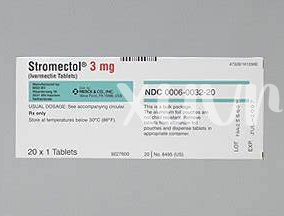
In the humid landscapes where tropical diseases thrive, Stromectol emerges as a beacon of hope. This medication is renowned for its efficacy against some of the most daunting parasitic infections. It has made significant strides in combating onchocerciasis, commonly known as river blindness, a disease transmitted by blackflies. Equally important is its role in addressing lymphatic filariasis, a mosquito-borne illness that causes debilitating swelling and discomfort. Stromectol’s potent activity against such parasites underscores its critical role in mitigating the burden of tropical diseases globally.
The success of Stromectol in fighting tropical diseases is a testament to its profound impact on public health. In regions where access to medical care can be limited, its effectiveness and safety profile make it an indispensable tool in mass drug administration programs. For instance, efforts to reduce the prevalence of soil-transmitted helminths among schoolchildren have seen remarkable improvements through routine treatment campaigns utilizing Stromectol. Such initiatives not only improve individual health outcomes but also foster community well-being by curbing the spread of infections.
Despite its achievements, the battle against tropical diseases is far from over, and Stromectol continues to be at the forefront. Constant research aims to optimize its application and explore new therapeutic potentials. As drug resistance becomes a concern, the role of Stromectol may evolve, potentially in combination therapy, to enhance its efficacy. These efforts highlight the need for ongoing investment in research and development to ensure this vital medication continues to provide relief to those in need.
Recent Studies and Developments in Ivermectin Treatment
In recent years, research has significantly advanced our understanding of Stromectol's potential in treating a variety of tropical diseases. Clinical trials have explored its efficacy against conditions like onchocerciasis and lymphatic filariasis, revealing promising results. Furthermore, studies have highlighted Stromectol’s impressive safety profile, paving the way for broader applications in the global fight against neglected tropical diseases.
Researchers continue to uncover new insights into the drug’s mechanisms, contributing to a deeper understanding of how it can be utilized beyond its traditional uses. Innovative delivery methods are being tested, aiming to enhance its accessibility and effectiveness in remote regions. These developments are crucial as we strive for cost-effective solutions to manage and eliminate tropical diseases affecting millions worldwide.
| Study Focus | Findings |
|---|---|
| Onchocerciasis | Improved efficacy and safety outcomes |
| Delivery Methods | Innovations for remote access and enhanced efficacy |
Stromectol's transformative role in tropical medicine is underscored by its adaptability and evolving treatment paradigms. The latest studies emphasize its expanding impact, with ongoing research fueling optimism for future breakthroughs. While challenges remain—such as resistance and access barriers—the multifaceted nature of ivermectin research offers hope for more comprehensive solutions.
Future Prospects and Challenges for Stromectol
As we look to the future, Stromectol holds promise beyond its traditional applications. Researchers are exploring its potential in treating viral infections and other conditions, hinting at a broader scope of efficacy. Yet, this burgeoning potential comes with challenges that cannot be overlooked. Global access remains unequal, with many regions lacking sufficient supply due to cost and distribution hurdles. Additionally, resistance to ivermectin is a looming threat, necessitating ongoing studies to devise strategies for sustainable use in the fight against tropical diseases. The balance of innovation and careful stewardship will define Stromectol's role in global health.
National Center for Biotechnology Information World Health Organization