
 How Rybelsus Works: a Deep Dive into Mechanism
Unveiling the Science Behind Rybelsus
Rybelsus, a novel oral medication for managing type 2 diabetes, is fundamentally based on the active ingredient semaglutide. Semaglutide is a glucagon-like peptide-1 (GLP-1) receptor agonist that mimics a naturally occurring hormone in the body. This medication harnesses cutting-edge biochemistry to effectively interact with GLP-1 receptors.
| Characteristic | Description |
|---|---|
| Active Ingredient | Semaglutide |
| Mechanism | GLP-1 Receptor Agonist |
| Form | Oral Tablet |
This interaction enhances insulin secretion and suppresses glucagon release, which stabilizes blood sugar levels. Moreover, Rybelsus shows advancements in oral delivery systems, which was traditionally challenging for GLP-1 therapies due to their protein-based nature. By overcoming gastrointestinal barriers, Rybelsus proves to be a milestone in diabetes treatment.
The Role of Glp-1 Receptor Agonists
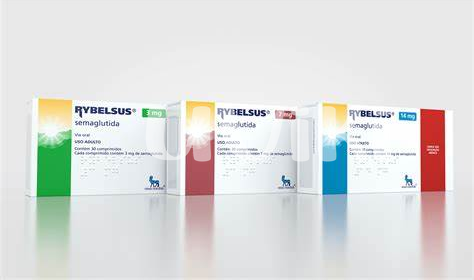
Rybelsus, a revolutionary treatment for type 2 diabetes, harnesses the power of GLP-1 receptor agonists to mimic the action of a naturally occurring hormone in the body. This biological mimicry is central to its effectiveness. GLP-1, or glucagon-like peptide-1, plays a pivotal role in managing blood glucose levels. It does so by enhancing insulin secretion in response to meals, slowing down gastric emptying, and reducing hepatic glucose production.
The transformative influence of GLP-1 receptor agonists in diabetes management is profound. By activating these receptors, Rybelsus stimulates the pancreas to release insulin precisely when it's needed, curbing post-meal glucose spikes. This targeted approach helps maintain optimal sugar levels while reducing the risk of hypoglycemia.
Moreover, Rybelsus offers advantages that extend beyond glucose regulation. The engagement of GLP-1 receptors also impacts appetite control, often leading to beneficial weight loss, a critical factor since obesity and insulin resistance frequently coexist. This comprehensive mechanism not only improves glycemic control but also contributes to broader metabolic health benefits, positioning Rybelsus as a valuable player in diabetes care.
Journey from Tablet to Bloodstream
Rybelsus represents a unique advancement in diabetes treatment, given its oral administration form. Upon ingestion, the tablet's protective exterior helps it navigate the harsh acidic environment of the stomach. This technology ensures that the active ingredient, semaglutide, remains intact during the journey through the digestive system.
Once Rybelsus reaches the intestine, specialized technology facilitates the release of semaglutide. This active compound is then absorbed into the bloodstream through the intestinal walls. The absorption process is critical, as it determines the efficacy of the medication in managing blood glucose levels.
Rybelsus's journey doesn't end upon entering the bloodstream. The semaglutide binds to proteins, circulating effectively through the body. This systemic presence is vital for engaging GLP-1 receptors, initiating beneficial effects on blood sugar regulation and appetite control.
How Rybelsus Influences Blood Sugar Levels
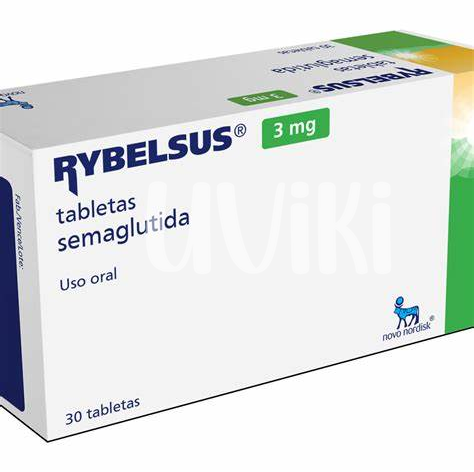
Rybelsus, an oral medication, ingeniously modulates blood sugar by stimulating the body's insulin release in response to meals. As a GLP-1 receptor agonist, it enhances the incretin effect, a process where hormones like GLP-1 are naturally secreted following food intake. This mechanism prompts the pancreas to produce more insulin while simultaneously signaling the liver to reduce glucose production. By fine-tuning these processes, Rybelsus ensures that blood sugar levels are regulated more effectively.
Additionally, Rybelsus slows gastric emptying, creating a scenario where glucose is absorbed into the bloodstream at a more measured pace. This gradual absorption helps prevent the spikes in blood sugar that are often problematic for individuals managing type 2 diabetes.
Understanding Rybelsus' Impact on Appetite and Weight
Rybelsus operates by modulating appetite through the brain’s satiety centers, offering a dual benefit in managing type 2 diabetes. This tablet, an oral GLP-1 receptor agonist, helps reduce cravings and overall calorie intake. Many patients experience noticeable appetite reduction, which often translates to a favorable shift on the scale. Evidence from clinical trials showcases weight loss as a significant, often desirable side effect.
| Rybelsus Effects | Impact on Patients |
|---|---|
| Appetite Regulation | Reduced Cravings |
| Weight Management | Weight Loss |
Unlike some diabetes treatments that primarily target blood glucose levels, Rybelsus offers comprehensive benefits, significantly impacting lifestyle quality.
Rybelsus Versus Other Diabetes Medications
In the realm of diabetes management, Rybelsus emerges as a unique innovator, distinguished by its oral administration, which sets it apart from other injectable GLP-1 receptor agonists. While traditional medications like insulin directly supplement the body's insulin supply or sensitize it to insulin, Rybelsus enhances the natural production and efficacy of insulin in response to blood sugar levels. This mode of action not only aids glycemic control but also fosters weight management, a dual benefit that many diabetes treatments do not address simultaneously. Its efficacy in reducing both HbA1c and fostering weight loss makes it a formidable option against longstanding players in the diabetes market. Yet, as with all medications, individual responses vary, highlighting the importance of personalized treatment plans in diabetes care.
For more details, you can explore these sources: National Center for Biotechnology Information and The New England Journal of Medicine.