
 Repurposing Mebendazole: Cancer Research and Emerging Evidence
From Antiparasitic Pill to Cancer Research Contender
A decades-old antiparasitic medicine quietly reappeared in oncology literature when curious researchers observed unexpected antitumor effects in cell cultures and animal models.
Mechanistic studies suggested microtubule disruption, antiangiogenic activity, and immune modulation, prompting translational interest beyond its original parasitic indications.
Clinicians and patients, often exploring repurposed drugs for affordability and known safety profiles, generated case reports that rekindled academic attention and early-phase trials.
Today, coordinated preclinical and clinical efforts aim to define dosing, combinations, and biomarkers to determine whether this inexpensive, widely available agent can meaningfully complement cancer therapy. Researchers now prioritize rigorous randomized trials and biomarker-driven designs across cancer types globally.
| Feature | Potential impact |
|---|---|
| Mechanism | Microtubule disruption, antiangiogenesis |
| Status | Preclinical evidence and early trials |
Mechanisms: How Mebendazole Disrupts Tumor Cell Biology
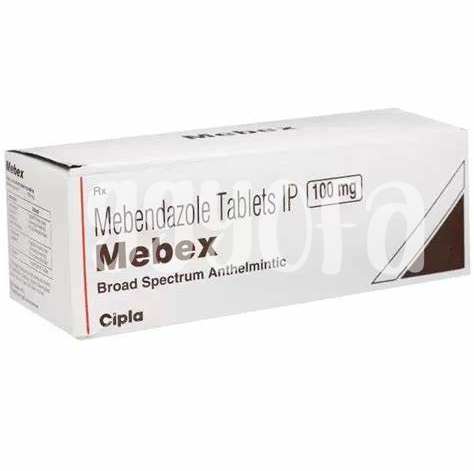
An old antiparasitic drug, mebendazole quietly hijacks cancer cells’ scaffolding: it binds β-tubulin, destabilizing microtubules, arresting mitosis and nudging damaged cells toward apoptosis. Beyond cytoskeletal sabotage, it interferes with angiogenesis and signaling hubs—VEGF, hedgehog and STAT3 pathways—while provoking stress responses and autophagy that weaken tumor survival.
In animal and cell models this multi-pronged assault not only slows proliferation but can impair cancer stem-like cells and disrupt tumor vasculature, enhancing sensitivity to chemotherapy and radiation. Its ability to penetrate the CNS in some studies offers promise for brain tumors, though variability in pharmacokinetics and dosing complicates clinical translation. Ongoing mechanistic studies aim to define biomarkers for response and rational combination strategies in diverse tumor types worldwide.
Preclinical Evidence: Lab Studies and Animal Models
In lab dishes, researchers observed mebendazole impairing microtubules and inducing cancer cell death across glioma, colon, and lung models in vitro settings.
Animal experiments showed tumor growth slowing, reduced metastasis, and synergy with chemotherapy in mice, supporting translational potential and improved survival in rodents.
Mechanistic studies revealed apoptosis, autophagy modulation, and angiogenesis inhibition, offering multiple angles to disrupt malignant biology across diverse genetic backgrounds and resistant models.
These preclinical signals justify cautious optimism and a roadmap for clinical translation, prioritizing pharmacokinetics, dosing, and combination strategies to validate mebendazole's therapeutic value.
Clinical Signals: Early Human Trials and Case Reports
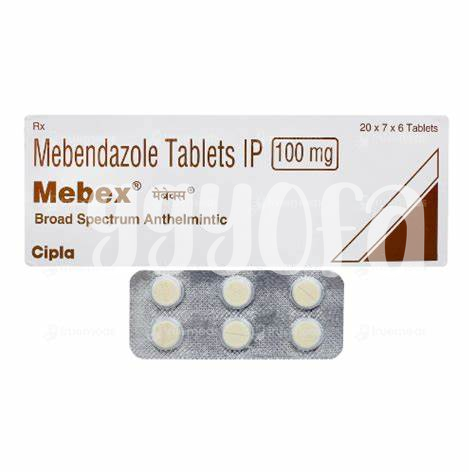
Anecdotes and pilot studies have turned attention toward mebendazole as an affordable repurposing candidate.
Small single arm trials sometimes report disease stabilization, occasional tumor shrinkage, and prolonged survival in limited cohorts, including glioma and metastatic colorectal cancer patients.
Case reports highlight dramatic responses in individual patients, but publication bias and concurrent therapies complicate interpretation, with variable dosing regimens across reports limiting comparisons.
Together these human signals are hypothesis generating; rigorous randomized trials and pharmacokinetic studies are needed to define efficacy, optimal dosing, and safety. Nationwide patient registries would accelerate understanding.
Safety, Dosing Challenges, and Drug Interaction Considerations
Clinicians and researchers tread carefully when translating mebendazole’s anticancer promise into practice. Dose optimization is uncertain: antiparasitic regimens are low and short, while oncologic effects may require higher, chronic exposures with unknown long-term toxicity. Vigilant monitoring for hepatic, hematologic, and neurological side effects is prudent, and patient comorbidity profiles complicate risk–benefit decisions. Drug supply and formulation variability further muddy dosing.
Potential interactions with CYP enzymes, P-glycoprotein substrates, and chemotherapy agents raise the stakes; concurrent medications must be reviewed. Pharmacokinetic and formulation studies are urgently needed to define exposure targets. Until robust evidence emerges, off‑label mebendazole use should occur within trials or with detailed consent and multidisciplinary oversight to protect patients and preserve scientific rigor now.
| Issue | Suggested action |
|---|---|
| Hepatic toxicity | Baseline and periodic LFTs |
| Drug interactions | Review CYP/P-gp and chemotherapy combinations |
Future Directions: Trials, Combinations, and Personalized Strategies
Researchers should prioritize randomized, adequately powered trials that test mebendazole against standard-of-care backdrops and in defined molecular subtypes, ensuring clear endpoints, biomarker collection, and adaptive designs to accelerate go/no-go decisions while minimizing patient burden ethically.
Combination strategies are promising: pairings with immune checkpoint inhibitors, antiangiogenics, or microtubule-stabilizing agents could yield synergy, guided by preclinical pharmacokinetics and schedule optimization to avoid overlapping toxicities and support dose-finding cohorts with translational endpoints.
Precision approaches must leverage tumor genomics, organoid screens, and circulating biomarkers to select patients most likely to respond; adaptive biomarker-driven arms can enrich enrollment and illuminate mechanisms of sensitivity or resistance over time clinically.
Regulatory pathways should be navigated with pragmatic repurposing frameworks and public–private partnerships to fund trials. Patient advocacy, data sharing, and real-world evidence will be crucial to translate laboratory promise into practice globally and equitably accessible PubMed ClinicalTrials.gov