
 Flexeril Side Effects: What to Watch for
Common Short-term Reactions and How They Feel
Starting a new muscle relaxant can feel jolting: lightheadedness, a foggy head and blurred focus often arrive within hours. Many patients describe it as a slow, heavy sinking rather than sharp pain, and it can interfere with work or driving. Always follow your Rx; generics may behave similarly, and avoid mixing with alcohol or other sedatives.
Even mild nausea, dry mouth and mild dizziness should be noted and timed; tracking them helps in any follow-up. If symptoms cluster or worsen, call your clinician stat. Quick notes like onset, dose and activities provide useful context.
| Symptom | Typical feeling |
|---|---|
| Drowsiness | Heavy slow |
| Dizziness | Spinning sensation |
| Nausea | Queasy mild |
| Dry mouth | Cottony feeling |
| Blurred vision | Hazy momentary blur |
When Drowsiness Becomes Dangerous during Daily Activities
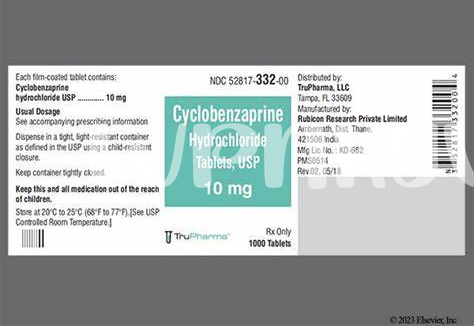
A late-afternoon fog after taking flexeril can creep in, making routine tasks feel slow and attention fragile—an unsettling, slippery shift.
If you drive, operate tools or watch children, that dulling can become dangerous quickly; plan activities around peak Rx effects and avoid risky multitasking.
Combine flexeril with OTC sleep aids or alcohol and the haze deepens, slowing reaction times and judgment, not just causing naps.
If you notice wandering attention, missed exits, or micro-sleeps, stop activities Stat, call your provider, and consider dose changes or timing shifts for your safety.
Recognizing Serious Allergic Signs Needing Emergency Care
I took flexeril once and noticed a faint rash and throat tightness; your skin may flare, lips swell, or breathing change quickly. Don't ignore these early, unsettling signals; seek care.
Call emergency services Stat if swelling worsens, fainting occurs, or wheeze develops. Bring medication labels and your Script bottle to help responders identify flexeril dose and possible allergic triggers now.
While rare, anaphylaxis is life-threatening; epinephrine and airway support can be lifesaving. After acute care, request an allergy note, avoid repeat exposures, and review alternatives with your clinician; arrange follow-up.
Interactions with Other Meds and Alcohol Risks

I once mixed flexeril with wine and felt dizzy; it underscores why combining this muscle relaxant with alcohol or other sedatives is dangerous. Pairing it with benzodiazepines, opioids or antidepressants magnifies sedation and breathing suppression; always report Rx and OTC meds you take.
Pharmacists warn about cocktails of central nervous system depressants and advise avoiding Happy Pills overlaps without guidance. If you experience severe drowsiness, fainting, shallow breathing, or confusion, seek help immediately: stop the combo, call your clinician, or go to urgent care. A meds check prevents risky mixtures.
Long-term Risks Versus Short-term Symptom Management Options
An honest look at chronic use of flexeril balances fleeting relief against accumulating harms: cognitive slowing, tolerance, fall risk and potential dependence. Short courses often tame spasms, but months of nightly dosing can change sleep architecture and memory. Periodic evaluations spot problems early and protect function.
Work with your clinician to limit duration, use the lowest effective dose, and consider tapering plans. Ask about nondrug options such as physical therapy, heat and mindfulness, and practical steps to reduce Pill Burden. Follow your Rx - Prescription instructions and schedule regular reassessments.
Talking to Your Doctor: Questions to Ask
When the doctor handed me an Rx, I felt a mix of relief and questions. Start by asking what benefits to expect, how quickly relief should come, and what common side effects could alter your day. A brief story helps you stay focused and remember the most important points.
Then list practical queries: will it interact with other meds or alcohol, could it intensify drowsiness while driving, and does it affect sleep or mood? Ask about alternatives, including non-drug options and whether a lower dose, shorter course, or generics are appropriate for you.
Also ask how side effects will be monitored and when to call your clinician or seek emergency care. Bring a list of current meds and allergies, request written directions and a clear follow-up plan, and confirm who handles refills and checks for interactions so you aren’t surprised later, including timing and activity restrictions.