
 Clonidine Vs Guanfacine: Choosing the Right Alpha-2 Agonist - Comparative Efficacy, Side-effect Profiles
Mechanisms of Action: How They Differ Clinically
Both drugs act as centrally acting α2-adrenergic agonists, but the clinical contrast comes from receptor subtype engagement and regional brain effects. Clonidine broadly suppresses locus coeruleus firing and presynaptic norepinephrine release, producing potent antihypertensive and sedative effects. Guanfacine favors α2A receptors in prefrontal cortex, modulating working memory and attention with milder cardiovascular depression.
Clinically this translates into different risk–benefit profiles: clonidine’s rapid onset and short half-life allow flexible titration but increase sedation and orthostatic hypotension risk, while guanfacine provides smoother cognitive benefits and steadier blood pressure control with less somnolence. Prescribers choose based on target symptom (acute sympathetic suppression versus improved executive function), comorbidity, and tolerance to antihypertensive effects.
| Feature | Clonidine | Guanfacine |
|---|---|---|
| Selectivity | Nonselective | α2A-preferring |
Efficacy Evidence: Comparing Adhd and Hypertension Outcomes
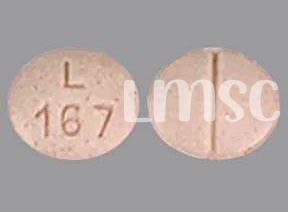
Clinicians often choose between agents based on symptom patterns and comorbidities. Studies show guanfacine XR modestly improves attention and impulsivity with fewer sedative effects, while clonidine, especially immediate-release, can reduce hyperarousal and improve sleep—benefits useful when ADHD overlaps with insomnia or tics.
In hypertension trials, clonidine lowered blood pressure effectively but carried higher risks of rebound hypertension and orthostatic symptoms compared with longer-acting agents; guanfacine also lowers blood pressure but tends to be better tolerated. Choosing depends on age, cardiovascular risk, adherence, and whether sedative properties are advantageous and practical.
Side-effect Profiles: Sedation, Cardiovascular, Cognitive Risks Compared
Clinicians often weigh sedation first: clonidine typically produces more immediate and pronounced drowsiness, especially at initiation or with dose increases, whereas guanfacine tends to be milder and more tolerable for daytime function. Both drugs lower sympathetic tone, so orthostatic hypotension and bradycardia can occur; careful titration and monitoring of blood pressure and heart rate minimize risks. Nighttime dosing can mitigate daytime somnolence.
Cognitive effects are usually subtle: attention and processing speed may be transiently blunted with higher doses, but many patients experience improved executive control when hyperarousal is reduced. Elderly patients are particularly vulnerable to falls from hypotension, and combined use with other sedatives amplifies impairment. Counsel patients about gradual position changes, avoid abrupt discontinuation to prevent rebound hypertension, and schedule follow-ups to assess mood, cognition, and cardiovascular tolerance. Shared decision-making and individualized dosing plans improve adherence and outcomes durably.
Pharmacokinetics and Dosing: Onset, Duration, Metabolism Differences

When started, clonidine is absorbed quickly and produces effects within an hour, with immediate-release formulations wearing off sooner; extended-release and transdermal options smooth peaks and prolong activity. Guanfacine is absorbed more slowly and maintains steadier plasma levels, allowing once-daily dosing with smaller peaks and troughs. Kinetic differences influence symptom abatement, sedation duration, and whether bedtime dosing or sustained-release preparations are preferable.
Metabolic and elimination pathways also guide choice: clonidine relies substantially on renal excretion and dose adjustments matter in renal impairment, while guanfacine undergoes significant hepatic metabolism via CYP3A enzymes and can interact with strong inhibitors or inducers. Clinicians therefore titrate clonidine cautiously for blood pressure control and may use patches or split doses to reduce rebound hypertension; with guanfacine, gradual upward titration and attention to drug interactions help minimize excessive sedation and cardiovascular effects, and regular monitoring of vitals.
Special Populations: Pediatrics, Elderly, Renal and Hepatic Considerations
Children and adolescents often respond to lower alpha-2 agonist doses; in pediatrics, clonidine usually demands careful titration to reduce excessive sedation and hypotension. Evening dosing can limit daytime somnolence, while families and schools should track sleep, appetite, growth, and behavioral changes. Developmental sensitivity means clinicians must balance symptomatic benefit with neurocognitive monitoring and ensure dose adjustments reflect weight and maturation.
In older adults, slowed clearance and orthostatic vulnerability increase fall and cognition risks, so start low and titrate slowly with frequent blood pressure and mental status checks. Renal impairment may prolong half-life, requiring lower or less frequent dosing; hepatic dysfunction can impair metabolism of both agents and heighten adverse effects. Regular medication reviews, ECG when indicated, and specialist input for significant organ disease or complex polypharmacy help ensure safe, individualized therapy. Document baseline labs and counsel on withdrawal risks periodically.
| Group | Action |
|---|---|
| Pediatrics | Start low; monitor growth and sedation |
| Elderly/Renal/Hepatic | Reduce dose; monitor BP, ECG, meds |
Choosing Wisely: Practical Prescribing, Titration, Monitoring Tips
Begin with patient-centered assessment: consider comorbidities, concurrent antihypertensives, age, and sleep patterns. Prefer guanfacine when daytime sedation risk is a priority; choose clonidine for rapid symptom control or nocturnal hypertension, balancing benefits and risks.
Titration should be gradual: start low and increase weekly, monitoring blood pressure and heart rate. Avoid abrupt withdrawal of clonidine to prevent rebound hypertension; taper over days to weeks depending on dose and duration.
Monitor for sedation, orthostatic hypotension, and cognitive changes, especially during dose adjustments and with polypharmacy. Use baseline ECG and consider renal and hepatic function tests to guide dosing and detect adverse effects early.
Educate patients about timing (bedtime dosing may reduce daytime drowsiness), signs of low blood pressure, and the importance of adherence. Coordinate care with specialists, document rationale for agent selection, and schedule follow-up for vital signs and symptom review promptly.