
 How Cellcept Works: Immune Suppression Explained Simply
Inside the Drug: What Cellcept Actually Does
Imagine a small chemical turning down the volume on an overexcited immune system; that's Cellcept in plain terms. Taken as a pill or through an IV, it converts into mycophenolic acid and travels into lymphocytes. These immune cells, which multiply quickly to fight perceived threats, encounter a drug that interferes with their growth. Rather than killing cells broadly, it gently pauses their rapid expansion to protect a new organ safely.
Behind the scenes, Cellcept blocks a key step in DNA building called purine synthesis; without those building blocks, lymphocytes cannot copy their DNA and cannot divide. Clinicians value this focused approach after transplant because it lowers rejection risk while avoiding the wide collateral damage of stronger chemotherapy. Patients still need monitoring, but the story is of a targeted pause button—one that helps harmony return between graft and host, restoring balance.
| Component | Role |
|---|---|
| Mycophenolic acid | Blocks DNA building in lymphocytes |
How It Stops Immune Cells from Multiplying
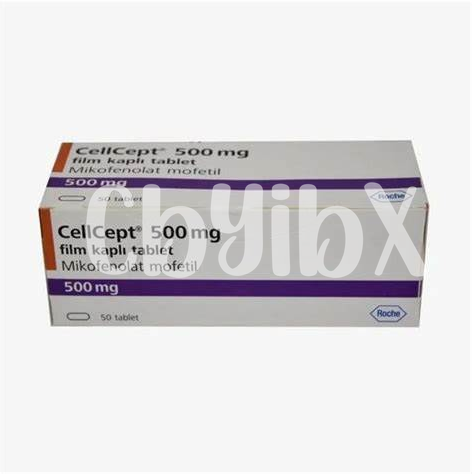
Imagine a battlefield where overactive defenders multiply unchecked; a single medication nudges that chaos toward calm without erasing protection or causing harm.
cellcept quietly interrupts a chemical plan cells use to copy themselves, thereby slowing the army of immune cells ready to attack transplanted tissue.
By targeting a specific pathway, it reduces the raw materials needed for DNA, so fewer immune cells complete division and multiply further.
That controlled slowdown helps protect transplanted organs while doctors monitor blood counts and adjust doses to keep balance and safety over time regularly.
The Science Made Simple: Blocking Dna Synthesis
Imagine a construction site halted mid-build; cellcept interrupts the blueprints immune cells use, quietly stopping their growth before walls form and dividing tissues.
It specifically targets DNA assembly by depleting building blocks, so rapidly multiplying cells lose the ability to copy their genetic code accurately.
That blockade is selective: resting cells remain largely unaffected, while aggressive immune responders are weakened, reducing rejection without erasing immunity entirely overall.
Doctors monitor blood counts and metabolites to balance benefits and risks, explaining how cellcept’s molecular pause protects grafts while minimizing side effects today.
Why Doctors Choose Cellcept after Transplants

After transplant, clinicians weigh infection risk against rejection, and choosing cellcept reflects a careful balance. Its reliable effect on immune cells helps protect new organs and speed recovery effectively.
Physicians value cellcept for its targeted action against lymphocytes, lowering rejection risk without broadly wiping out immunity. It also combines well with steroids or calcineurin inhibitors in many patients.
Its predictable pharmacology allows dose adjustments guided by blood counts and kidney function. Routine monitoring reduces surprises and helps keep patients safer during the risk period after transplant.
Long term studies show improved graft survival, so clinicians trust a familiar, evidence based approach. In many cases cellcept is seen as a proven partner for long term care.
Common Side Effects and What They Mean
After transplant, many patients notice symptoms that stem from the immune suppression itself or cellcept’s effects. Understanding common reactions helps people stay calm and respond quickly.
Typical side effects include gastrointestinal upset, fatigue, and increased infection risk. These often reflect the drug lowering white blood cell counts rather than permanent damage.
A quick reference can clarify what to watch for:
| Side effect | What it may mean |
|---|---|
| Nausea | Mild gastrointestinal irritation |
| Fever | Possible infection; contact clinic |
Most side effects ease over time or after dose changes. Regular blood tests and clear symptom reports let clinicians adjust treatment to balance protection with safety. Report severe signs such as bleeding, persistent fever, or dehydration immediately for prompt care.
Tips for Safe Use and Monitoring Essentials
When you start Cellcept, treat it like a cautious partner that helps protect a new organ but needs careful routines: take the medicine exactly as your doctor prescribes, never adjust the dose yourself, and keep a steady schedule so blood levels remain even. Use effective contraception if pregnancy is possible, and report any fever, sore throat or unusual bruising right away—these can be signs of low blood counts or infection.
Regular monitoring is essential: attend scheduled blood tests to check white cells, platelets, kidney and liver function, and keep all clinic appointments for dose adjustments. Tell your team about any other drugs, herbal remedies, or supplements you take to avoid interactions. If you miss a dose follow instructions from your provider, and seek urgent care for severe symptoms like persistent vomiting, abdominal pain, or breathing difficulty. Report any new symptoms.