
 Realistic Timeline: Skin Clearing While on Accutane
First Weeks: Dryness, Breakouts, and Adjustment
Starting Accutane feels like stepping into a tiny desert: lips tighten, skin flakes, and early breakouts can spike as clogged pores purge. Expect dryness around the nose, mouth, and eyes, and be ready with gentle cleanser, heavy moisturizer, and daily SPF. These early reactions are common and usually signal the medication working rather than failure.
Plan for simple adjustments: cut back exfoliants, swap retinol and harsh cleansers, and use lip balm around the clock. If acne initially worsens, resist picking and consult your prescriber about continuing dosage — most see improvement after several weeks. Track symptoms, hydrate, and remember: patience and consistent gentle care set the stage for clearer skin later in treatment with time.
| Symptom | Quick fix |
|---|---|
| Dry lips | Lip balm |
Early Signs of Clearing: What to Expect

Within a month you may notice small victories: fewer tender cysts, less inflamed bumps, and a gradual smoothing of skin texture. These changes are often subtle — reduced redness around lesions and fewer pus-filled pimples — but they signal the drug beginning to regulate oil production.
Some patients spot flaky, drier skin as oil declines; exfoliation should be gentle and limited to avoid irritation. Breakouts can paradoxically persist or worsen briefly before improving; keep tracking changes and avoid adding harsh topicals that may confuse progress.
By three months many see clearer skin and longer clear intervals. Talk with your prescriber, use sunscreen and gentle moisturiser, and remember the full benefits of accutane accrue slowly with consistent care.
One to Three Months: Noticeable Improvement Timeline
By weeks four to twelve, many people finally see the turning point: inflamed cysts begin to shrink and fewer new lesions appear. This phase can feel like a relief after early turbulence, but it’s normal for skin to remain sensitive and flaky as accutane reduces oil production.
You may notice smaller comedones, less redness, and gradually smoother texture. Improvements are incremental — one week can show subtle gains and the next a more noticeable reduction, so tracking photos helps when patience wanes.
Continue gentle cleansing, consistent moisturization, and sunscreen; aggressive treatments can undermine benefits. Discuss lingering nodules or unexpected flares with dermatologist, who can adjust dosage or suggest therapies to maximize clearing while minimizing irritation.
Mid-treatment Plateau and Managing Persisting Blemishes
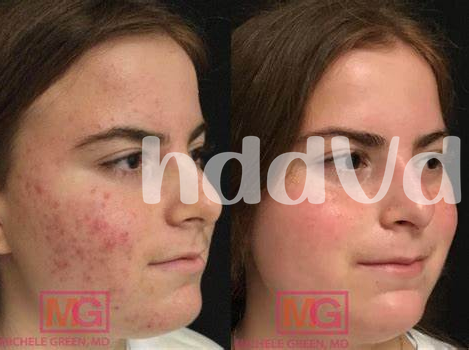
Halfway through, many people hit a frustrating plateau: active spots linger while overall oiliness drops. I remember feeling hopeful, then impatient as progress slowed on accutane.
Manage persisting blemishes with gentle cleansing, non-comedogenic moisturizers and targeted treatments recommended by your dermatologist. Avoid picking, use SPF daily, and report stubborn cysts for possible short procedures.
Remember plateaus are normal; continued adherence often leads to clearer skin in weeks. Track changes, be patient, and discuss dose adjustments or adjuncts with your prescriber—small tweaks can unlock renewed improvement before treatment ends. Stay hopeful.
End of Course: Results, Scars, and Expectations
Finishing a course of accutane often feels like reaching a summit: relief, cautious optimism, and a new skin routine. Many see dramatically reduced inflammation and fewer new lesions within weeks of stopping treatment, though residual texture changes and redness can linger. Expect continued gradual improvement for months as oil glands shrink and skin remodeling continues; patience and sun protection are crucial during this period.
Scarring varies: shallow post-inflammatory marks often fade with time and topical treatments, while deep atrophic scars may need procedures like microneedling, lasers, or fillers for meaningful change. Discuss realistic goals with your dermatologist before finishing therapy, plan maintenance such as gentle cleansers and non-comedogenic moisturizers, and monitor for relapse—some people require low-dose maintenance or additional courses. Celebrate clearer skin but keep realistic expectations about texture and long-term care. Regular follow-ups help catch issues early and adapt.
| Outcome | Typical timeline |
|---|---|
| Inflammation reduction | Weeks–months |
| Texture remodeling | Months–1 year |
| Scars improvement (nonsurgical) | Months–ongoing |
Aftercare: Maintaining Clear Skin and Preventing Relapse
Coming off isotretinoin often feels like stepping into a new chapter: skin calmer, but vulnerable. Ease back into active ingredients slowly and keep routines minimal to avoid irritation.
Daily care should focus on hydration, gentle cleansing twice a day, and liberal sunscreen use every morning. Non-comedogenic moisturizers and barrier-repair products reduce flaking and prevent rebound oiliness.
Maintain dermatologist follow-ups and consider low-dose topical retinoids or oral adjustments if relapse signs appear; wait recommended intervals before procedures like lasers or peels to protect healing skin.
Lifestyle matters: balanced diet, stress control, and avoiding pore-clogging cosmetics help sustain results. Report persistent breakouts promptly—early treatment prevents full relapses and preserves the gains you earned and restores lasting confidence.